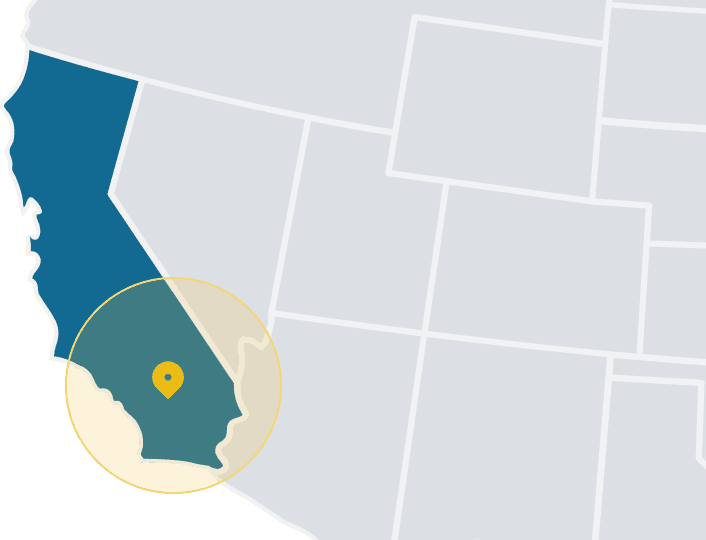

San Diego is one of the most solar-saturated regions in the country—and for good reason. With over 260 sunny days per year, high electricity costs, and a strong local commitment to sustainability, the city continues to be a leader in home solar adoption.
But homeowners along the coast face unique challenges and opportunities when it comes to solar efficiency. Foggy mornings, salt-rich air, coastal winds, and architectural constraints can all affect how well your system performs. The good news: with the right design, the right hardware, and the right installer, you can get the most out of your roof—year after year.
Here’s how homeowners in San Diego’s coastal zones can make sure their solar investment delivers peak performance.
Understand the Coastal Climate’s Daily Solar Curve
While San Diego enjoys year-round sunshine, neighborhoods like La Jolla, Ocean Beach, Del Mar, and Pacific Beach often start the day with overcast skies—especially in spring and early summer when “May Gray” and “June Gloom” are common.
This means solar systems in these areas tend to underproduce in the early morning and ramp up output as the fog burns off.
To optimize around this pattern:
- Systems should be designed to maximize mid-day and afternoon production.
- South- and west-facing roof surfaces often outperform east-facing ones along the coast.
- Battery storage can help shift solar energy produced in the afternoon for use in the early morning or evening when grid rates spike.
- SolarMax Tech uses solar modeling software that factors in local weather data and microclimates to forecast expected production over time—so there are no surprises after your system is installed.
Choose Panels That Perform Well in Diffused Light
Fog, mist, and marine layer conditions result in diffused sunlight, which standard solar panels may not capture efficiently. This makes high-efficiency modules and N-type cell technology a smart choice for coastal homes.
Panels like the Qcells Q.TRON series, which use advanced passivated cell technology, maintain strong output even in overcast conditions. SunSpark modules, manufactured in Riverside and tested for California-specific conditions, are also built to handle fluctuations in light and temperature.
SolarMax Tech recommends panel models with high low-light performance for coastal regions, ensuring homeowners generate usable energy even during less-than-perfect mornings.
Account for Coastal Wind and Roof Load
Coastal homes often experience sustained wind and salt air exposure, which places extra demands on your racking system and hardware.
Solar mounting systems in these areas need:
- Reinforced rail structures to withstand uplift forces
- Corrosion-resistant hardware (like stainless steel or anodized aluminum)
- Properly spaced roof attachments to distribute load
Homes near bluffs or ocean-facing hillsides may also require additional bracing or engineering analysis to comply with local building codes.
SolarMax Tech performs structural load assessments for every rooftop system and uses wind-tested mounting components designed for California’s coastal weather conditions.
Protect Against Salt Air and Corrosion
Salt-laden air can accelerate corrosion, especially in homes within a few miles of the ocean. Over time, this can impact panel frames, racking systems, and exposed wiring if not properly addressed.
Key precautions include:
- Using marine-grade or coated fasteners
- Sealing all wiring junctions with weatherproof enclosures
- Choosing panels with anodized frames and backsheet protection
Regular rinsing or light cleaning can also help remove salt buildup, though it’s not required weekly. In most cases, a bi-annual rinse or visual inspection is enough to prevent material degradation.
SolarMax Tech includes coastal corrosion protection measures as standard for all projects within designated coastal exposure zones.
Design Around Architecture and Aesthetic Guidelines
San Diego’s coastal homes come in a wide range of architectural styles—from Spanish tile bungalows to modern hillside builds.
Many of these homes have:
- Complex rooflines or multiple levels
- Limited south-facing surface area
- HOA or city-imposed design restrictions
These factors make panel placement more strategic. In some cases, system size may need to be spread across multiple roof surfaces or oriented for aesthetic balance.
SolarMax Tech works closely with homeowners, HOAs, and local regulators to create designs that are both highly functional and visually integrated. We also offer black-on-black panel options for homeowners seeking minimal visual impact.
Time-of-Use Optimization and Battery Storage
Because San Diego Gas & Electric (SDG&E) uses Time-of-Use (TOU) billing, homeowners are charged more for electricity used in the late afternoon and evening—even if overall energy use is modest.
The best way to offset these peak rates is with solar energy storage.
A battery system:
- Stores excess energy produced during the late morning and early afternoon
- Powers your home during expensive evening hours
- Protects you from outages and utility shutoffs
SolarMax Tech offers battery solutions tailored to coastal conditions, including the Tesla Powerwall 3, Qcells Q.HOME CORE, and our own Peakshaving Battery—all designed to work in marine-layer environments with sealed enclosures and weather-rated components.
Make Maintenance Simple and Local
Coastal homeowners should look for solar providers with a strong local presence—not just a statewide or national brand with a distant service hub. Salt air, wind, and even seagull droppings can increase the need for occasional panel cleaning or post-install service.
A local installer like SolarMax Tech offers:
- Faster response times for service calls
- Knowledge of local inspection and permitting processes
- Familiarity with coastal HOA guidelines and restrictions
- Long-term maintenance packages and proactive system monitoring
We also offer ongoing system performance reports to ensure your system continues operating at peak efficiency year-round—so you can catch small issues before they become major problems.
Getting the Most Out of the Coast
San Diego’s coastal zones are ideal for solar—as long as the system is built with those unique coastal conditions in mind. With the right design approach, homeowners can turn foggy mornings and salty air into long-term energy savings, grid independence, and greater peace of mind.
SolarMax Tech has helped hundreds of coastal homeowners—from Mission Beach to Encinitas—get more from their roofs with durable, efficient systems designed for real-world conditions. Whether you're replacing a roof, upgrading your energy system, or going solar for the first time, we'll build a system that performs as beautifully as your view.