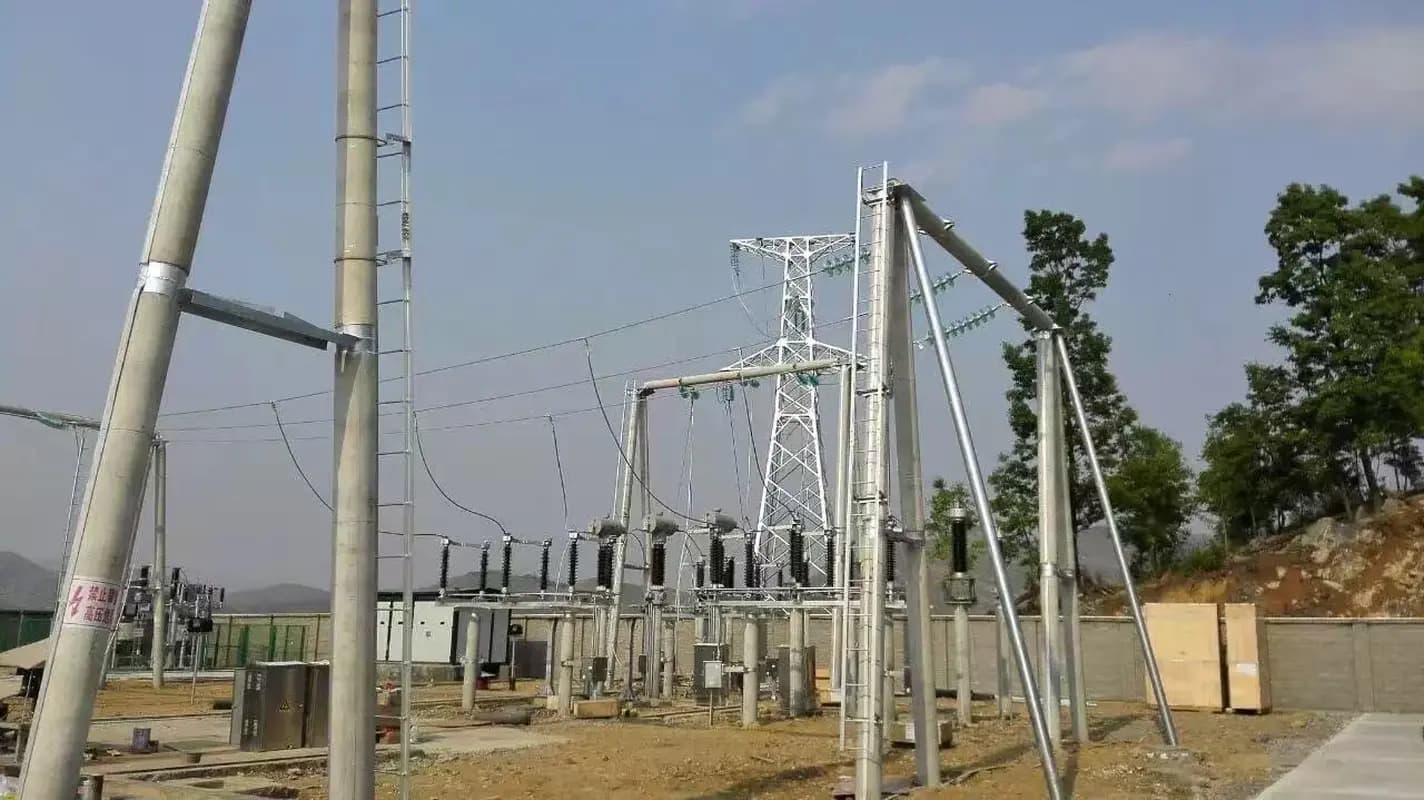
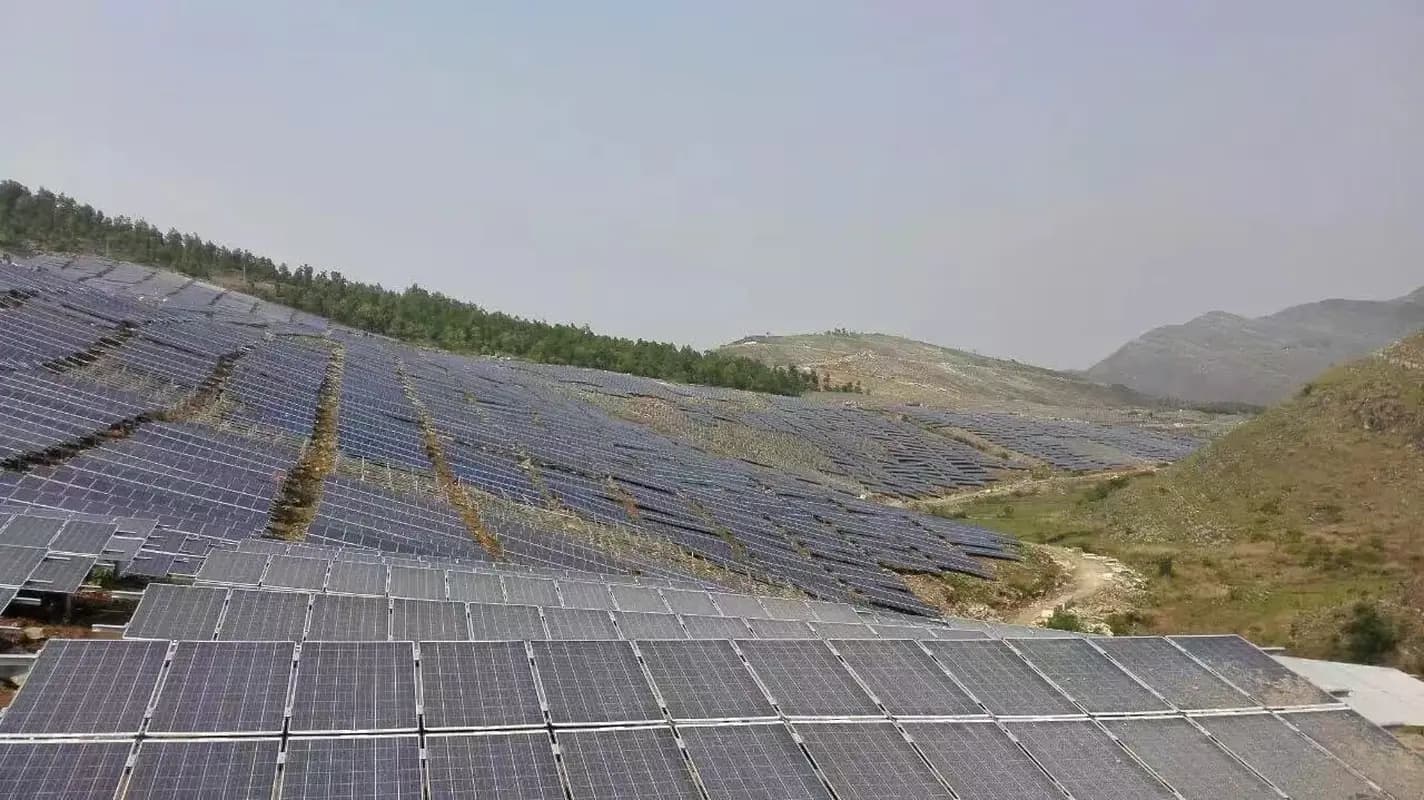
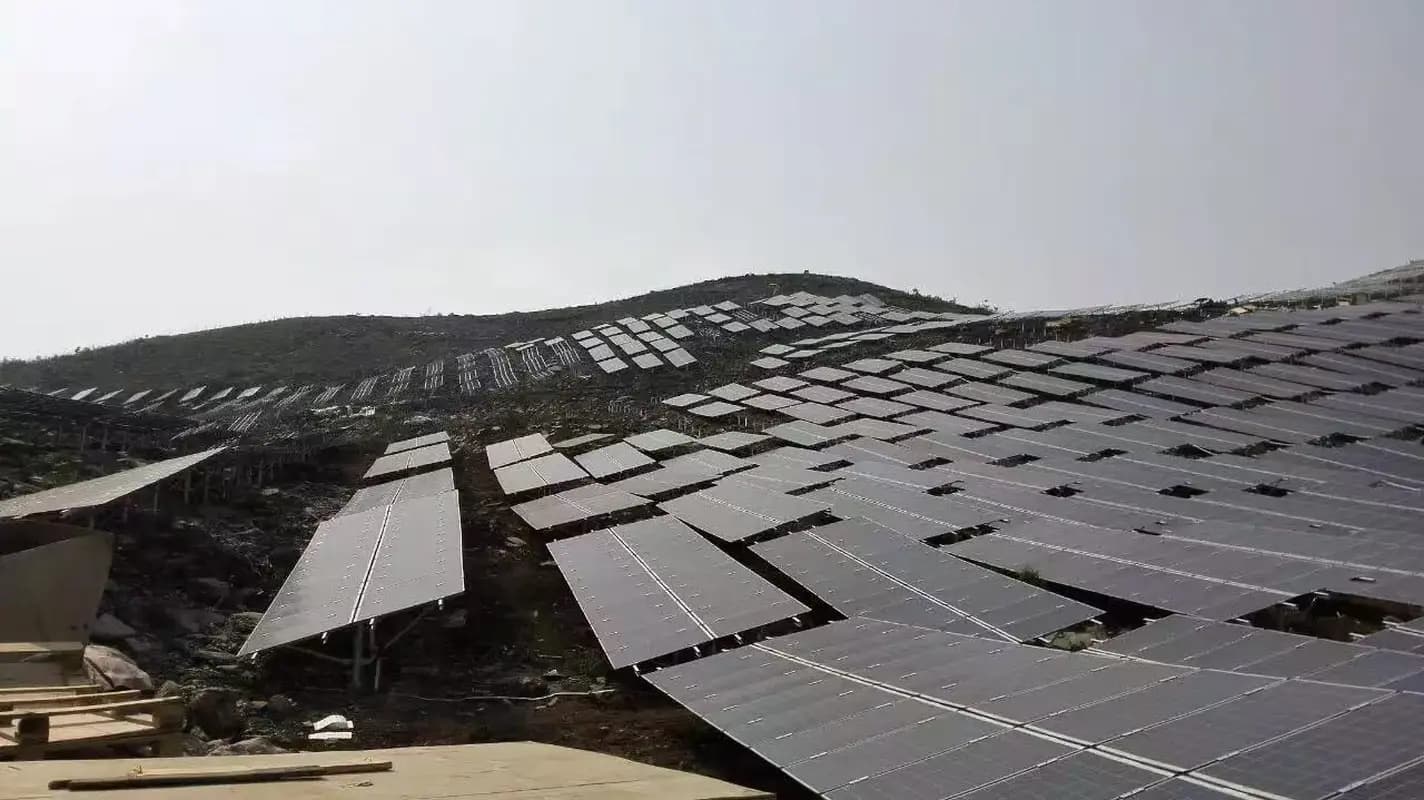
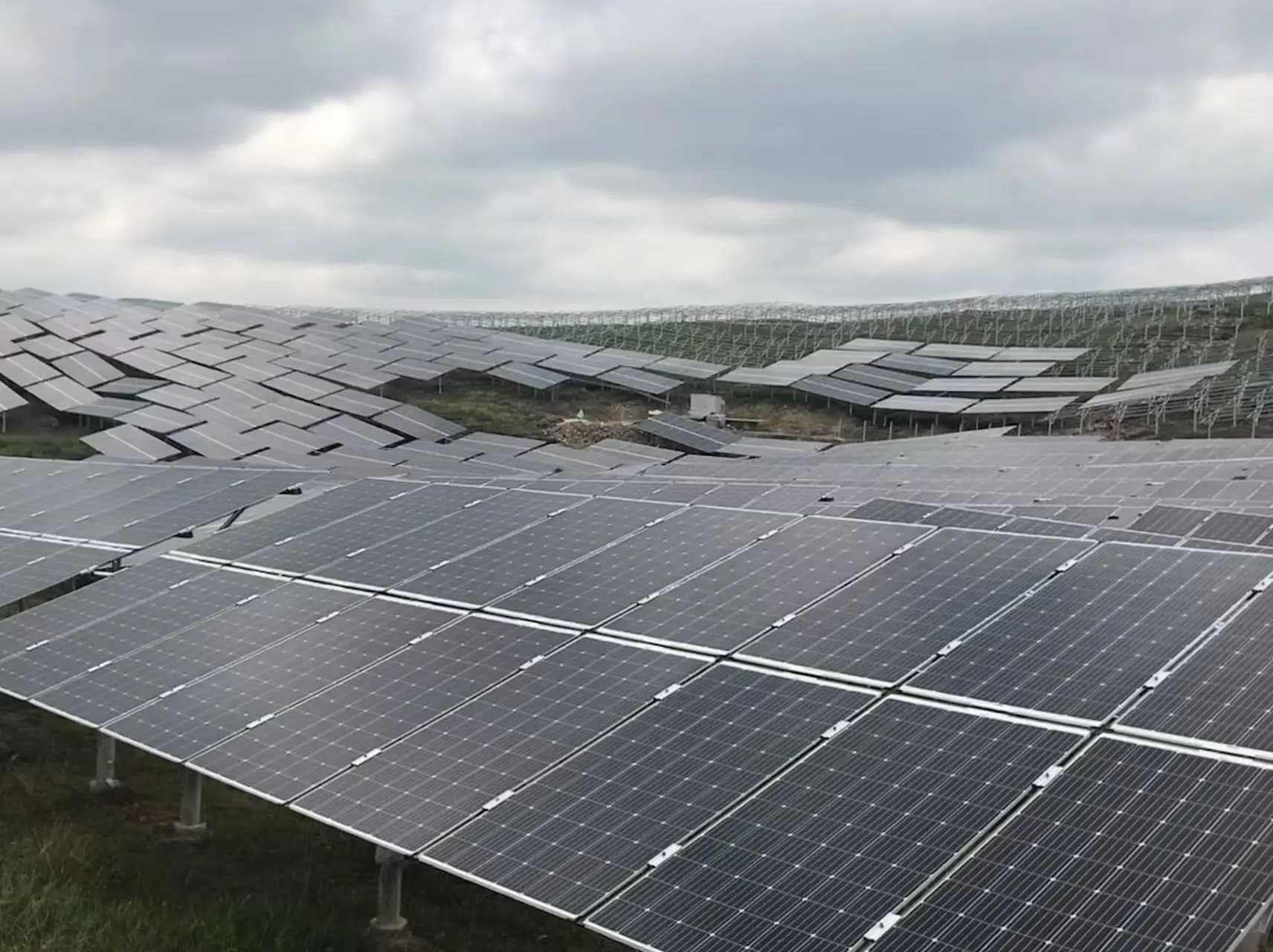
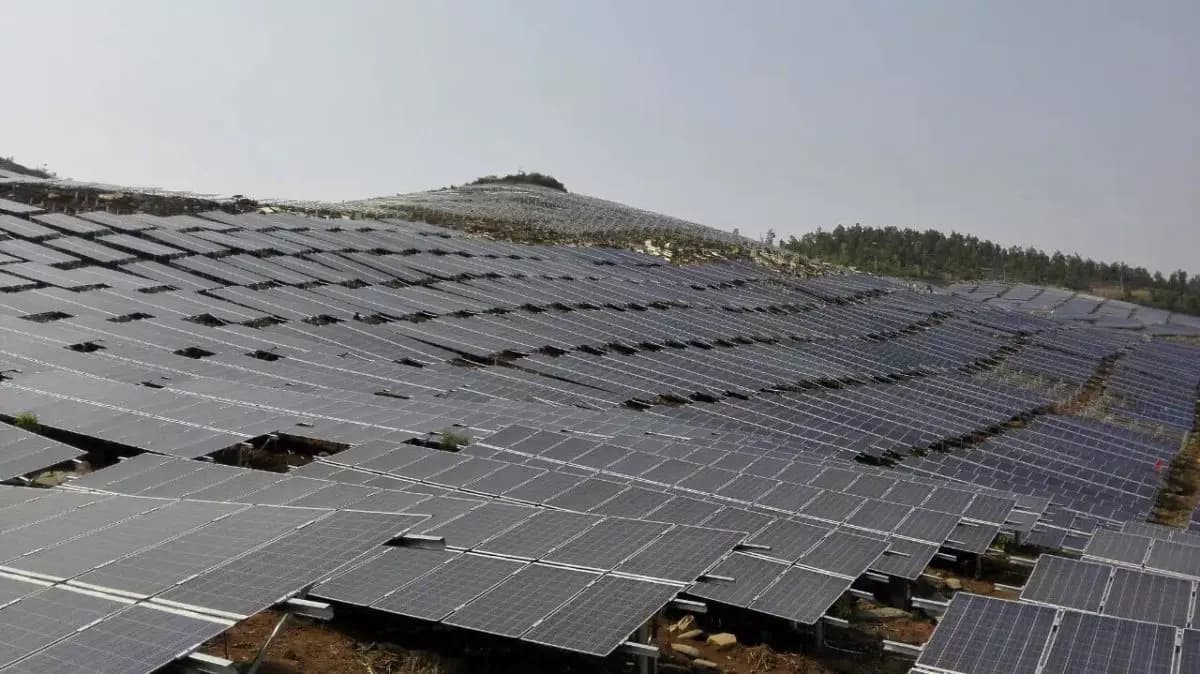
This agrivoltaic project was designed to solve a common infrastructure dilemma: how to develop utility-scale solar power in regions where agriculture remains vital to local economies. Rather than displacing farmland, the project introduced an innovative solution, combining energy generation with crop cultivation in a single space. Spread across multiple rural sites and totaling 175 MWp of capacity, the installation uses elevated panel arrays that allow shade-tolerant crops to flourish beneath, including herbs, vegetables, and other high-value regional produce.
In addition to clean electricity, the system produces measurable benefits for landowners and agricultural workers. Crops benefit from reduced sun stress and improved soil moisture retention, while farmers receive lease payments or profit-sharing tied to energy production. The entire system feeds into the regional power grid, generating an estimated 248 million kWh annually. For the surrounding communities, this means more stable power supply, more secure food production, and diversified income streams on their land.
This approach has become a benchmark for how clean energy development can align with local community interests, offering a replicable model for regions where land, labor, and energy needs must work together.



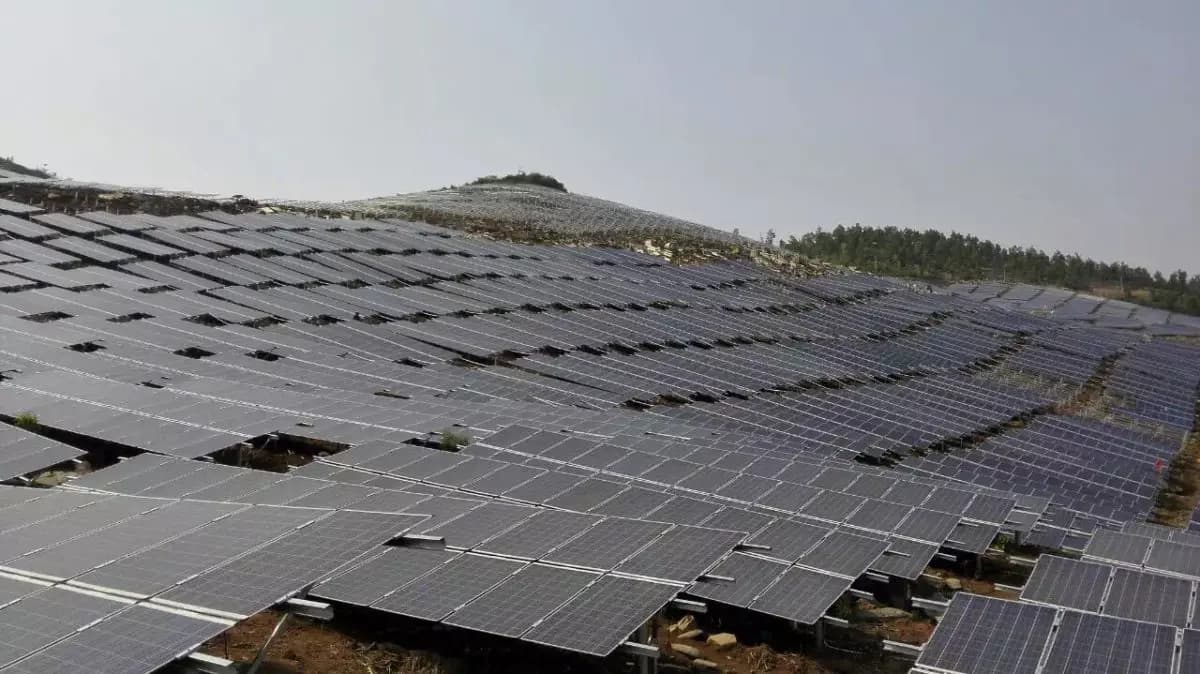
 Rural Region | Ground-Mount Solar + Crop Integration


 Overview